
A free ai image generator for commercial use sounds like a shortcut to endless marketing visuals, yet the fine print often decides whether you can sell the result. You want images for ads, products, or client work without a surprise invoice or takedown notice. That gap between "free to generate" and "free to use commercially" trips up plenty of small teams.
Blogging
Master the art of blogging with our ultimate guide. Find tips on choosing a niche, optimizing for SEO, and turning your writing passion into profit
Cloud Storage for Small Business Comparison: Google Drive vs Dropbox vs OneDrive
A cloud storage for small business comparison usually starts with a simple question: which platform will your team actually use without complaining? The three market leaders, Google Drive, Dropbox, and Microsoft OneDrive, all store files reliably, so the real decision comes down to collaboration, price per seat, and how well each tool fits the software you already run.
AI Automation for Beginners: Build Your First Workflow This Week

AI automation for beginners usually starts with a simple question: "Can I get a robot to handle this boring task?" The good news is yes, and the even better news is that you don’t need to write code to do it. Most people already have the ingredients sitting in their browser.
How to Use ChatGPT for SEO: A Practical Step-by-Step Guide

Wondering how to use chatgpt for seo without drowning in generic, robotic output? Most people paste a keyword into the chat box, get a bland article, and give up. The difference between wasted time and real rankings comes down to preparation, workflow, and editing discipline.
Best ai tools for small business: Top Picks for 2026

ai tools for small business have moved from novelty to necessity, and most owners now face the same question: which ones are actually worth paying for? You don’t need a dozen subscriptions. You need three or four that quietly handle the work you keep putting off.
How is AI used for personal use: A Practical Guide to Everyday AI
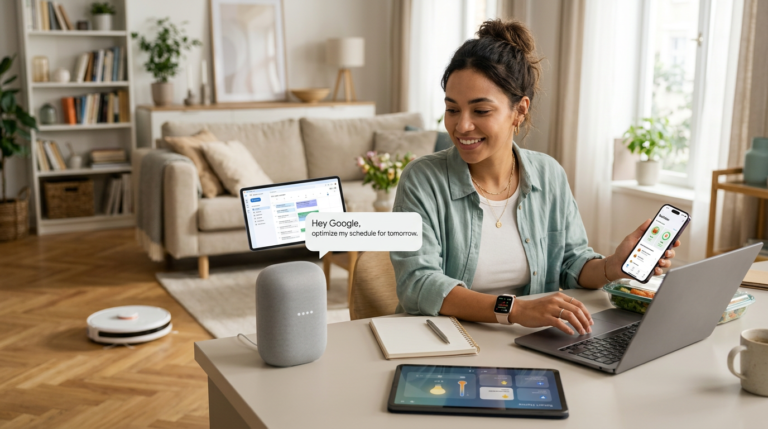
How is AI used for personal use, really? You already suspect the answer sits somewhere between hype and homework help, yet the everyday reality stays fuzzy. Meanwhile, the tools keep multiplying and quietly reshaping small daily decisions.
Quick answer: People use AI for planning trips, drafting messages, learning new skills, organizing budgets, and getting quick answers to everyday questions. What matters most is picking a few tasks where speed and drafts help, then verifying anything important before you act on it. Expect a helpful assistant, not an oracle.
This article breaks down the practical uses, the reasons they matter, the habits that keep results reliable, and the mistakes that waste time and money.
Working Smarter: How Everyday Users Are Saving Hours with AI

You finish a long workday and realize most of it vanished into email, meeting notes, and formatting slides. So where do those reclaimed hours actually come from? Working Smarter: How Everyday Users Are Saving Hours with AI is less about clever prompts and more about handing repetitive chores to a tool that never gets bored.
Quick answer: Start by listing the three tasks that eat the most time each week, then test one AI tool on each for a few days. Most people save the most hours on writing, summarizing, and organizing information. The gains come from consistency, not from a single clever trick.
This article explains what working smarter with AI really means, why it matters, which habits deliver results, and which mistakes waste time. By the end, you will know exactly where to start tomorrow.
Beyond the Hype: Practical Ways AI Can Make Your Daily Life and Work Easier
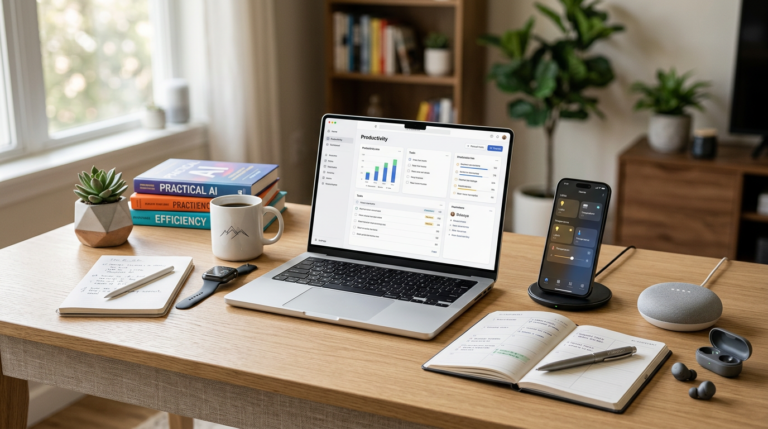
One real question keeps coming up: which of these tools actually gives me time back this week? You likely have access to more AI than you use, and the gap costs you hours. In our testing across a busy household and a typical office, Beyond the Hype: Practical Ways AI Can Make Your Daily Life and Work Easier turned out to be mostly about small, repeatable tasks.
Quick answer: Start with one repetitive task you do every day, like sorting email or drafting routine replies, then add a second only after the first saves you time. The wins come from narrow, well-defined chores where AI is easy to check. A tool is only worth keeping if you can correct its output in seconds.
This article covers ten practical uses, how to pick the right one, and the trade-offs to watch.
The Personal Multiplier: How AI Transforms Productivity, Creativity, and Decision-Making

The Personal Multiplier: How AI Transforms Productivity, Creativity, and Decision-Making is really about one question: can a single person now do the work of a small team? Most professionals suspect the answer is yes, yet few know where to start or what to delegate.
Quick answer: Treat AI as a multiplier on your own judgment, not a replacement for it. Hand over drafting, summarizing, and first-pass analysis, then apply your expertise to verify and refine the output. The people who benefit most are those who define clear tasks, check results carefully, and keep their own thinking in the loop.
This article explains what the personal multiplier actually means, why it matters for your career, and which habits separate effective users from frustrated ones. By the end, you will have a practical framework you can apply this week.
From Busywork to Breakthroughs: Real-World Benefits of Using AI Every Day

From Busywork to Breakthroughs: Real-World Benefits of Using AI Every Day starts with a familiar question: why does so much of a workweek vanish into tasks that feel mechanical? The emails, the meeting notes, the data cleanup—none of it moves a career forward, yet it fills the calendar.
Quick answer: Use AI as a daily assistant for repetitive work, not as a replacement for judgment. Hand it drafting, summarizing, sorting, and first-pass analysis, then review the output yourself. Most people see the biggest gains in the first few weeks, simply by reclaiming the hours spent on low-value chores.
This article explains what daily AI use actually looks like, why it matters for your output and wellbeing, and how to start without the common pitfalls. By the end, you will have a practical routine you can test tomorrow morning.